A stronger customer proposition
Give customers a quote that explains battery performance, lower bills, surplus value, and statements rather than another disconnected monitoring app.
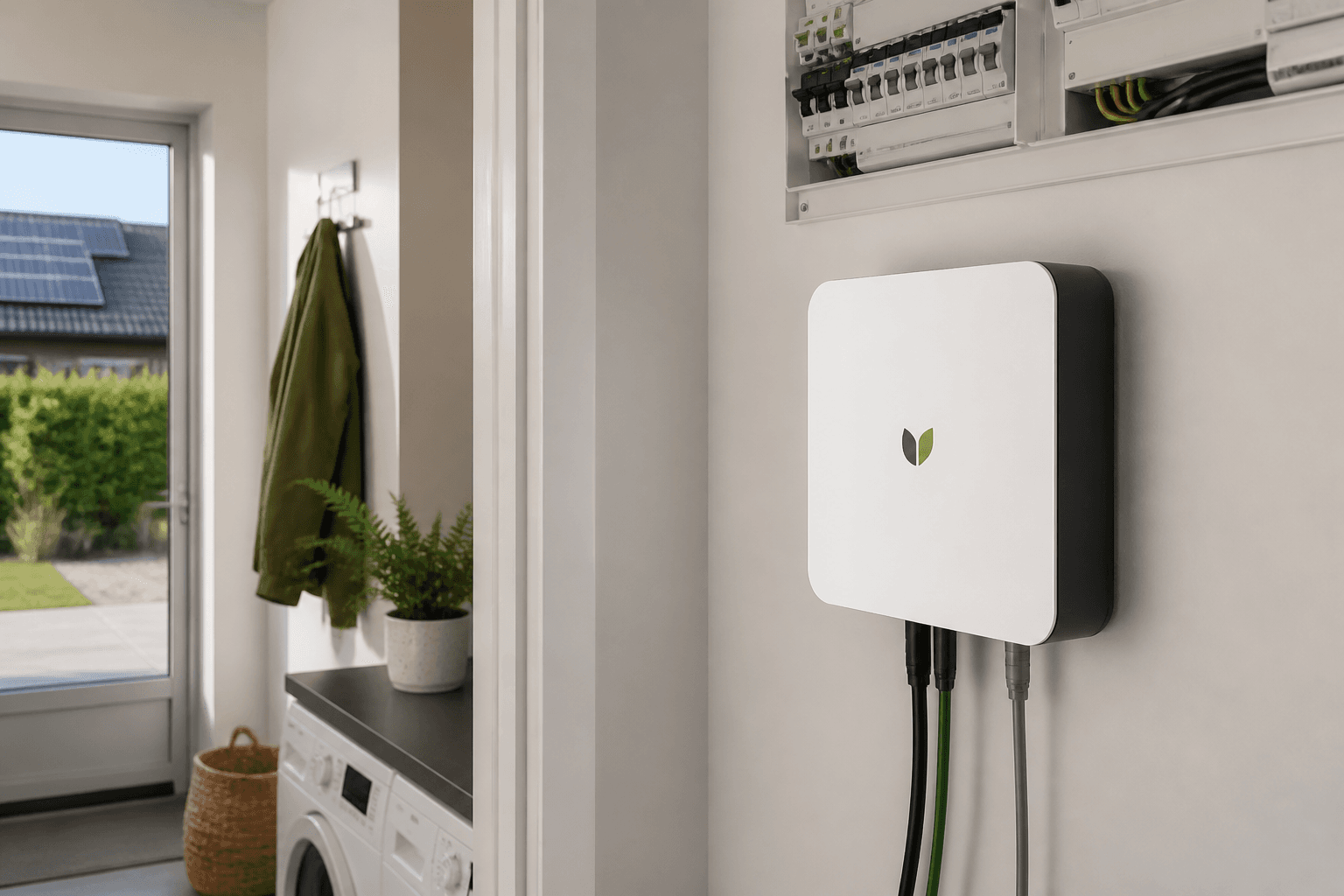
For UK solar and battery installers
ZenHub is a £249 installed hardware box that helps households optimise usage, access eligible surplus and flexibility value, and see the result after handover.
Installer proposition
The installer proposition is simple: explain the commercial reason, make the connection model clear, and show what happens after customer handover.
Give customers a quote that explains battery performance, lower bills, surplus value, and statements rather than another disconnected monitoring app.
ZenHub is positioned as a compact hardware box that can be fitted alongside the existing energy setup with a focused commissioning flow.
Support for Modbus-style device integration and secure API connections helps cover common solar, battery, inverter, and meter setups.
Position the install as a managed energy system with account reporting, service signals, and support cases after handover.
The customer account includes login, MFA, billing statements, system performance, and support so customers can self-serve after installation.
Customer outcomes
Lumo and Levelise both make the value story very explicit. ZenHub should do the same: lower bills, more useful battery control, earnings potential, and less post-install confusion.
Lower bills
Reduce avoidable peak import and shift controllable energy use toward better-value windows.
Higher returns
Expose eligible homes to export and flexibility opportunities instead of relying only on baseline solar savings.
Cleaner handover
Customers get one account for performance, statements, support, and security instead of calling the installer for every question.
Fitted box workflow
Confirm meter, inverter, battery, comms, tariff, export, and internet readiness before fitting the ZenHub box.
Install the hardware neatly near the energy equipment, then connect supported Modbus, metering, and network paths.
Register the system, verify live readings, check supported devices, and hand over the customer login.
ZenHub reports optimisation activity, revenue, statements, and support signals through the customer account area.
How ZenHub compares
This mock comparison borrows the useful structure from the reference sites without copying their claims: explain the alternatives, then show why ZenHub is a practical managed layer.
Typical gap
Good for device-level monitoring, but often limited to one brand or narrow battery logic.
ZenHub angle
Whole-home view across supported equipment, tariffs, market signals, and customer account reporting.
Typical gap
Can shift timing, but may miss device data, solar generation, export, and installer support context.
ZenHub angle
Combines tariff awareness with hardware telemetry, commissioning, support, and statements.
Typical gap
Can create one-off value, but rarely become an ongoing managed energy experience.
ZenHub angle
Designed as a fitted, ongoing optimisation layer with customer and partner visibility.
Typical gap
Adds installation cost and complexity unless the workflow is deliberately simple.
ZenHub angle
A focused £249 fitted box with Modbus and API paths, built around a clear commissioning flow.
Customer hardware price
£249
Clear fitted-hardware positioning helps customers understand what they are buying and helps installers explain the value alongside the solar and battery quote.
Compatibility
ZenHub should support a practical mix of physical device connectivity, Modbus paths, metering data, and secure manufacturer APIs where available.
Partner portal mock
A partner portal gives ZenHub more credibility: installers can imagine customer onboarding, fleet health, lead follow-up, and future recurring revenue in one place.
Mock partner flow for checking eligibility, adding an install, and handing over a customer login.
A partner view could show connected systems, data health, optimisation state, and sites needing attention.
Track estimated customer value and partner revenue once commercial terms and market access are finalised.
Support cases, device health, and statement questions should be visible before they become installer callbacks.
Installer FAQ
It gives your quote a practical optimisation layer: a fitted box, customer account, revenue reporting, support route, and a future partner revenue story rather than a vague promise that the homeowner has to manage themselves.
The installer proposition should be a simple fitted-box workflow: check eligibility, mount the box, connect supported devices or metering, confirm network access, then complete commissioning.
Yes. The site should position Modbus support as a key integration route, alongside secure device APIs where the customer equipment supports them.
No. ZenHub should sit above the equipment layer, helping optimise and report value across the home while the underlying devices keep their normal manufacturer monitoring and warranty paths.
The ZenHub account area is being built to show billing, system performance, revenue, statements, support, and security controls including MFA.
Yes, but cautiously until commercial terms are final. The mocked content frames it as a partner revenue opportunity and avoids promising a fixed amount before Zenergy confirms the model.
Become a ZenHub installer